Pet insurance or savings account: What’s the best way to plan for a big vet bill?
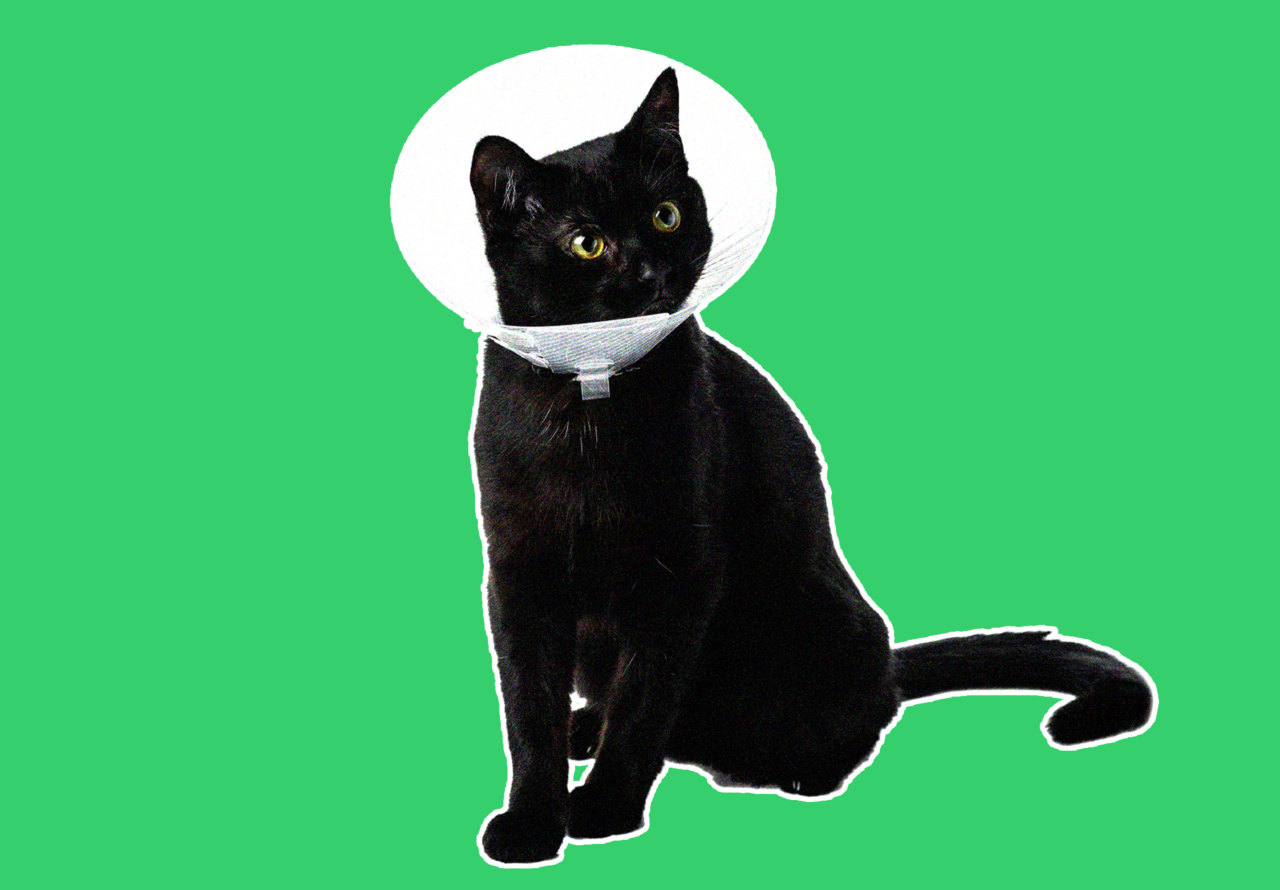
You want to make sure your pet can receive the care they need when an emergency happens — but is pet insurance the best way to prepare for that?
As pet owners consider the best way to plan for unexpected veterinary expenses, the debate between pet insurance and savings accounts comes down to cost, flexibility, and peace of mind. Pet insurance can provide financial protection against large vet bills, but it often comes with premiums, deductibles, and coverage limitations. On the other hand, setting aside money in a savings account allows for more control over funds, but may not keep pace with rapidly rising veterinary costs.
The pet insurance market has grown significantly in recent years, with many providers offering a range of plans and coverage options. However, some pet owners may find that traditional insurance products don't meet their needs or budget. For instance, older pets or those with pre-existing conditions may be excluded from coverage or face higher premiums. In these cases, a dedicated savings account or emergency fund might be a more practical solution.
To make an informed decision, pet owners should weigh the costs of pet insurance against the likelihood of needing to make a large vet payment. They should also consider factors such as their pet's age, health, and breed, as well as their own financial situation and risk tolerance. What's worth watching next is how the pet insurance industry evolves to address concerns around affordability, coverage, and transparency – and whether innovative products emerge to better serve pet owners' diverse needs.
Originally reported by marketwatch.com. OptionNews adds analysis for finance & markets readers.